Professional Drywall Repair Solutions: Restore Your Walls to Perfection
Expert drywall repair services are fundamentally important in maintaining the aesthetic integrity of interior spaces. Issues such as water intrusion, fractures, or routine wear can diminish a property's beauty and market value. Trained specialists employ advanced approaches and superior products to ensure a seamless result. Understanding the importance of these services raises important considerations about typical review forms of deterioration and proven restoration techniques. What obstacles must property owners overcome when dealing with drywall problems?
The Importance of Professional Drywall Repair
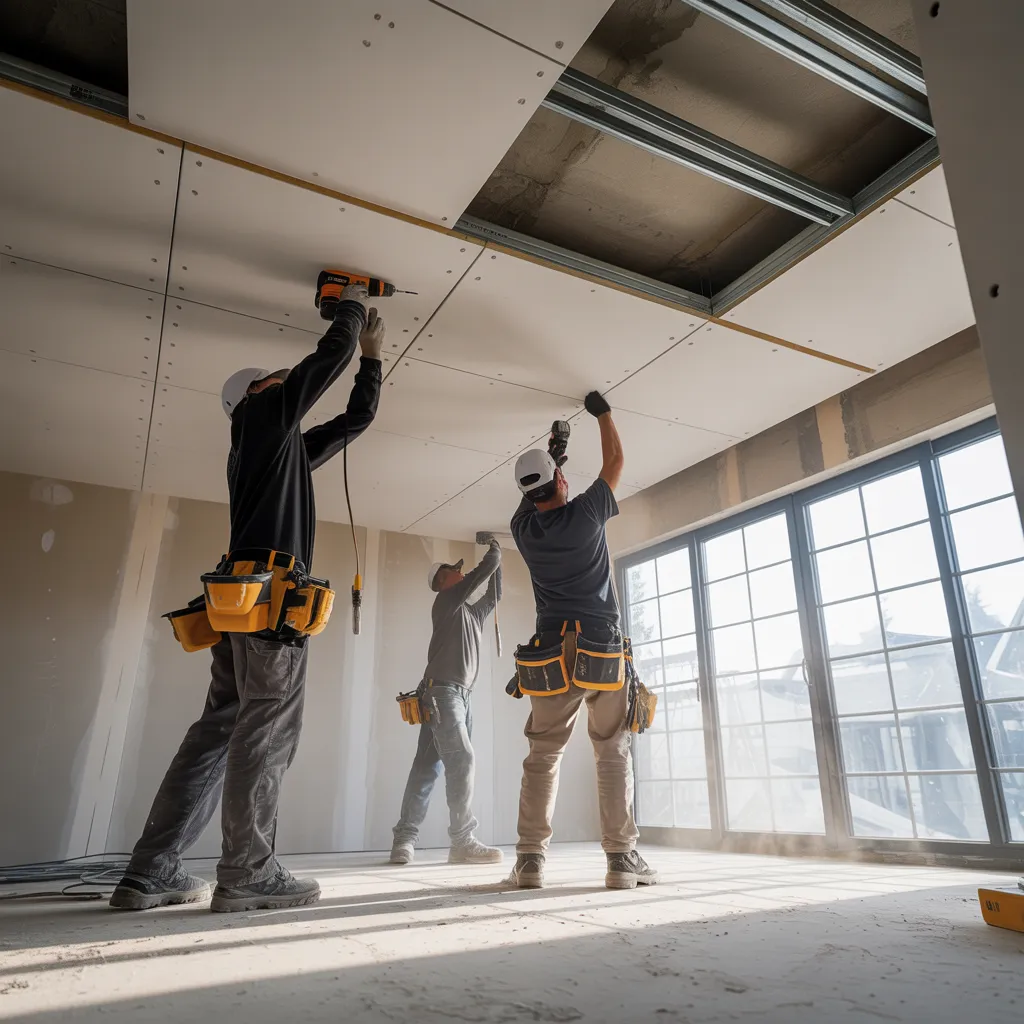
Professional drywall repair matters because it ensures a seamless finish that enhances the visual appeal of a property. Property owners of all kinds acknowledge the value of keeping interior walls in good condition, as blemishes can undermine the appearance and market value of a home. Skilled technicians possess the expertise to evaluate damage with precision and use the right approaches for restoration, ensuring a flawless result.
Furthermore, expert services minimize the chances of repeated problems by tackling the root causes that originally led to the damage. This forward-thinking strategy not only enhances the overall look but also supports the long-term durability of the walls. Moreover, skilled drywall work follows strict safety protocols, minimizing potential hazards associated with improper repairs. Ultimately, opting for skilled expertise cultivates a pleasant space, ensuring that spaces remain functional and aesthetically pleasing for years to come.
What Are the Typical Types of Drywall Damage and Their Underlying Causes?
Various forms of drywall damage may arise in both domestic and professional settings, each arising from a range of different factors. A frequently encountered form is water damage, often resulting from leaky roofs, plumbing issues, or high humidity. These conditions frequently produce structural sagging, mold proliferation, and surface discoloration. A second common problem is impact damage, often caused by collisions with furniture, athletic gear, or unintended contact, leaving behind dents, punctures, or holes in the wall. Furthermore, cracks may form as a result of structural settling or changes in temperature, weakening the overall durability of the drywall. Moreover, nail pops, where fasteners push through the surface, are often caused by shifting or settling. Each of these damages requires specific attention and repair techniques to restore the drywall's appearance and functionality, emphasizing the importance of professional assessment and repair services.
Advanced Strategies for Identifying Drywall Concerns
A detailed examination of drywall problems demands a keen eye for detail and an understanding of potential hidden concerns. Specialists commence by assessing the surface for visible signs of damage, such as cracks, holes, and water stains. They employ tools like moisture meters to locate hidden dampness that could suggest water leaks or mold formation. Furthermore, evaluating the structural condition behind the drywall is crucial; this may require looking for bowing or sagging, which can suggest underlying framing concerns.
Sound tests, which involve tapping the wall to uncover hollow areas, help identify areas needing repair. Seasoned professionals also evaluate the placement of the damage, because particular zones can be more vulnerable to damage from plumbing or electrical systems. By merging hands-on visual inspections with professional-grade instruments and approaches, experts can accurately diagnose the extent of drywall problems, establishing a reliable basis for developing successful repair plans.
What the Drywall Repair Process Involves
Anticipate a streamlined and professional drywall repair process that focuses on quality results and client satisfaction. First, professionals will perform a detailed evaluation of the drywall damage to identify the best repair solutions. This inspection guarantees that all issues, from minor dents to significant holes, are recognized.
Once the evaluation is complete, the technicians will prepare the work area, securing nearby surfaces to limit interference. Standard repairs consist of patching, sanding, and applying primer, followed by a finish that matches the existing wall texture. Throughout the process, experienced professionals will utilize specialized tools and techniques to deliver an impeccable finish.
Communication plays a vital role; clients can expect updates and clarifications as needed. The work concludes with a thorough final inspection to ensure complete satisfaction prior to the team tidying the workspace. This methodical process results in beautifully restored walls that improve the home's overall aesthetic, demonstrating a dedication to superior drywall repair craftsmanship.
Benefits of Hiring Specialists for Drywall Repairs
Engaging skilled contractors for drywall repairs presents several key benefits that can improve the final results. Their quality workmanship guarantees a refined outcome, while their in-depth knowledge enables precise and reliable repairs. Additionally, employing these professionals can conserve time and financial resources in the overall process.
Quality Workmanship Guaranteed
Opting for professional drywall repair services guarantees quality workmanship that elevates the aesthetic appeal and structural soundness of a room. Professionals provide extensive knowledge and experience, ensuring repairs are executed with precision. They use superior materials and cutting-edge approaches, which significantly lower the chance of subsequent concerns including cracking or moisture-related damage. Furthermore, specialists can accurately duplicate surface patterns and finishes, blending repairs with existing surfaces for a seamless look. This meticulous approach not only enhances the visual appeal but also supports the extended longevity of the surfaces. By engaging skilled specialists, residents can rest assured that their drywall repairs will be completed to the highest standards, resulting in a polished and enduring finish.
Time Savings and Cost Efficiency
Strategically managing drywall repairs offers homeowners significant savings in both time and money, making the selection of professional services a sound one. Professionals have the tools and knowledge needed to accelerate the repair process, making certain that projects are handled swiftly and thoroughly. This efficiency minimizes disruption to daily life, enabling homeowners to resume their normal schedules without extended disruption. Furthermore, engaging professionals can help avoid expensive errors, because their knowledge commonly produces a more resilient and refined result. By resolving problems quickly and accurately, professionals help prevent additional repairs, ultimately sparing homeowners from unforeseen costs. Ultimately, opting for skilled drywall repair services demonstrates to be both a time-conscious and budget-friendly investment.
Specialized Knowledge and Methods
Professional drywall repair services not only boost time and cost savings but also deliver expert insight and refined methods. Professionals hold an in-depth familiarity with materials, tools, and approaches critical for producing seamless results. Their professional background supports accurate diagnosis of damage, ensuring the right repair techniques are applied. This expertise minimizes the risk of recurring issues, such as cracks or moisture problems. Additionally, professionals are well-versed in local building codes and standards, ensuring compliance in every project. Their experience allows for quicker, high-quality repairs that enhance the overall aesthetics of a space. In the end, enlisting professionals for drywall repairs ensures an exceptional result, sparing homeowners from the pitfalls of DIY errors and providing lasting durability.
How to Care for Your Repaired Drywall
Maintaining fixed drywall is crucial for lasting quality and visual appeal. Routine cleaning habits can prevent dirt buildup, while keeping an eye on humidity helps avoid humidity-related problems. Additionally, addressing any damage promptly guarantees that minor concerns do not develop into costly fixes.
Routine Cleaning Practices
Adequate care and maintenance can significantly prolong the life of patched drywall. Consistent cleaning habits are crucial for maintaining its integrity and appearance. Surfaces can collect dust and grime, so wiping down the walls with a soft cloth or microfiber duster every few weeks is a good practice. For harder-to-remove marks, a gentle application of a mild soap solution with a sponge is effective, ensuring not to oversaturate the area. Abrasive cleaners and scrubbing pads should be avoided, as they may harm the drywall finish. Furthermore, dealing with spills and stains quickly can stop lasting discoloration and copyright the overall appearance. By following these basic cleaning routines, homeowners can preserve the quality of their repaired drywall for years to come.
Track Humidity Levels
Routine cleaning habits establish the foundation for more durable drywall, but tracking humidity levels is just as essential for maintaining its integrity. Excessive humidity can cause mold formation and structural deterioration, while overly dry conditions can result in cracking and warping. Residents are advised to maintain interior humidity levels within the 30% to 50% range. This balance can be maintained by deploying dehumidifiers in humid zones and securing sufficient ventilation across the home. Regularly checking humidity levels with a hygrometer allows for proactive adjustments. Furthermore, closing off any openings or fissures in windows and doors assists in controlling moisture levels. By effectively managing humidity, the integrity of repaired drywall can be upheld, ensuring a beautiful, resilient finish that stands the test of time.
Immediately Address Damage
Handling damage in a timely manner is vital for protecting the condition of patched drywall. Small problems, such as minor cracks or dents, can rapidly worsen if ignored, leading to more extensive repairs. Property owners should carry out frequent evaluations to identify any signs of wear or damage. Upon discovery, prompt steps should be implemented to resolve issues, whether through self-repair techniques or by contacting professional drywall repair services. Timely repairs not only maintain the aesthetic appeal of walls but also guard against water intrusion and structural deterioration. Additionally, keeping a stock of essential repair materials—like wall filler or joint compound—can support fast restorations. In the end, proactive maintenance ensures that patched drywall remains in excellent condition, increasing its longevity and improving the residence's overall appeal.
Frequently Asked Questions
What Is the Usual Duration of a Drywall Repair?
A standard drywall repair needs approximately 2 to 4 hours, based on the degree of damage. Aspects determining duration include the scale of the repair, drying time for the materials, and the difficulty of the work.
Is It Possible to Paint Right After Drywall Repair?
Painting immediately after drywall repair is not advisable. Allowing the repair to thoroughly dry and cure is important, a process that generally requires 24 to 48 hours, providing a seamless, even surface without jeopardizing the repair.
Which Materials Do Professionals Use for Repairs?
Professionals commonly employ joint compound, drywall tape, and sandpaper for restoration. They often utilize specialized tools like knives and trowels, along with finishing primer and paint to achieve a flawless, seamless result on the wall surface.
Are There Eco-Friendly Options for Drywall Repair?
Yes, green alternatives for repairing drywall are available. Experienced specialists commonly employ repurposed materials, low-emission joint compounds, and green insulation solutions, supporting healthier indoor environments while minimizing environmental impact throughout the restoration process.
What Should I Look for When Choosing a Drywall Repair Service?
Finding the right drywall repair service requires researching local companies, going through client opinions, assessing rates, and evaluating their experience. Additionally, validating their licenses and requesting referrals ensures a consistent and high-quality repair job.